How we verify every deal
We're crawlers first and deal-hunters second — this site started as the price list we kept for our own trucks. Every deal here begins as a listing one of us opened and read on the retailer's actual product page, not a search result or a data feed. Before anything posts, we confirm the exact variant — the right scale, the right motor, the right color — because the version a store page defaults to is often not the one in the headline photo. Then we check that it's genuinely in stock, and we work out the total landed cost: the item price plus whatever shipping actually costs to get it to a US door.
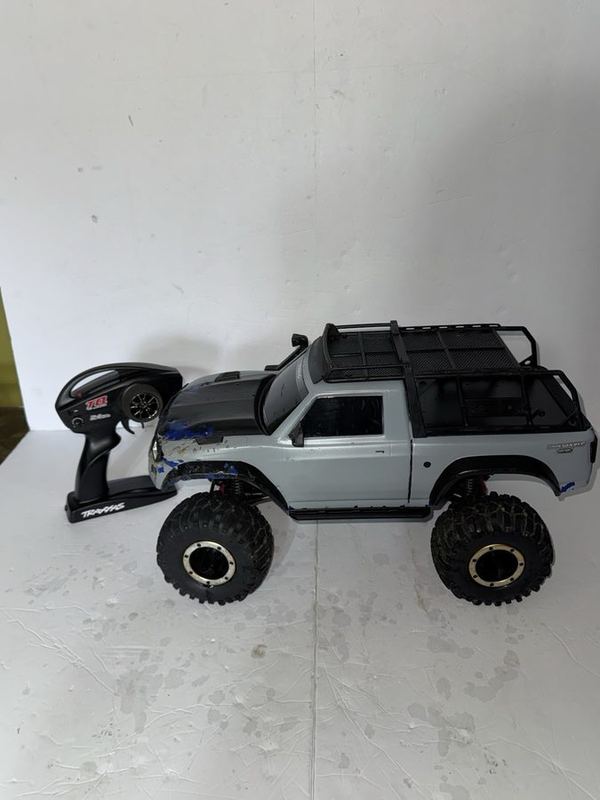
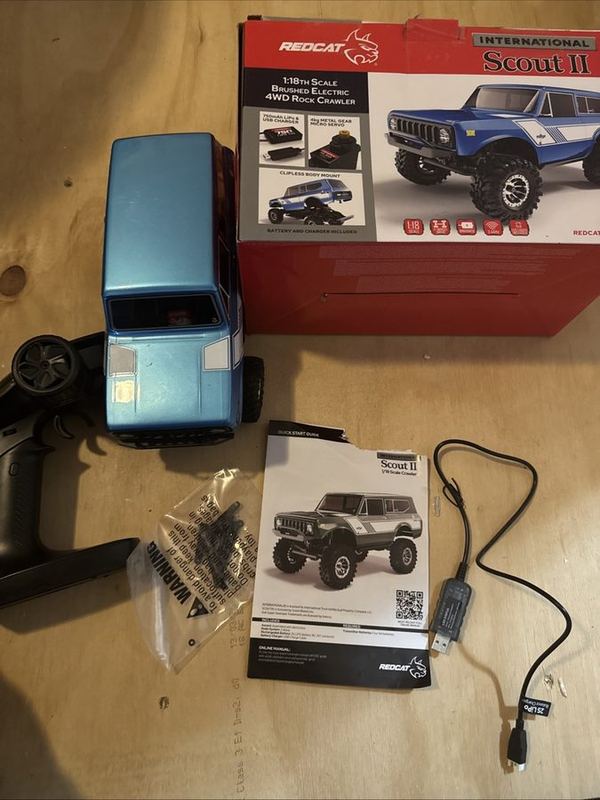
That last step is the whole game. A servo advertised at $39 with $14 shipping is a $53 servo, and more than a few “sales” quietly earn their discount back on the shipping line. We compare landed totals, and a deal only earns its spot when it's the best verified landed price we can find for that exact product. Then we keep checking: sweeps run every hour, sold-out listings get pulled, price changes get corrected, and used gear gets read photo by photo for missing wheels, tired bodies, and stripped electronics. When a deal is scratch-and-dent, the card says so. When a brand-new truck shows up in the used market, it wears a NEW badge. The price on the card is the price we'd expect to pay ourselves — because usually, we have.
How to choose your first crawler
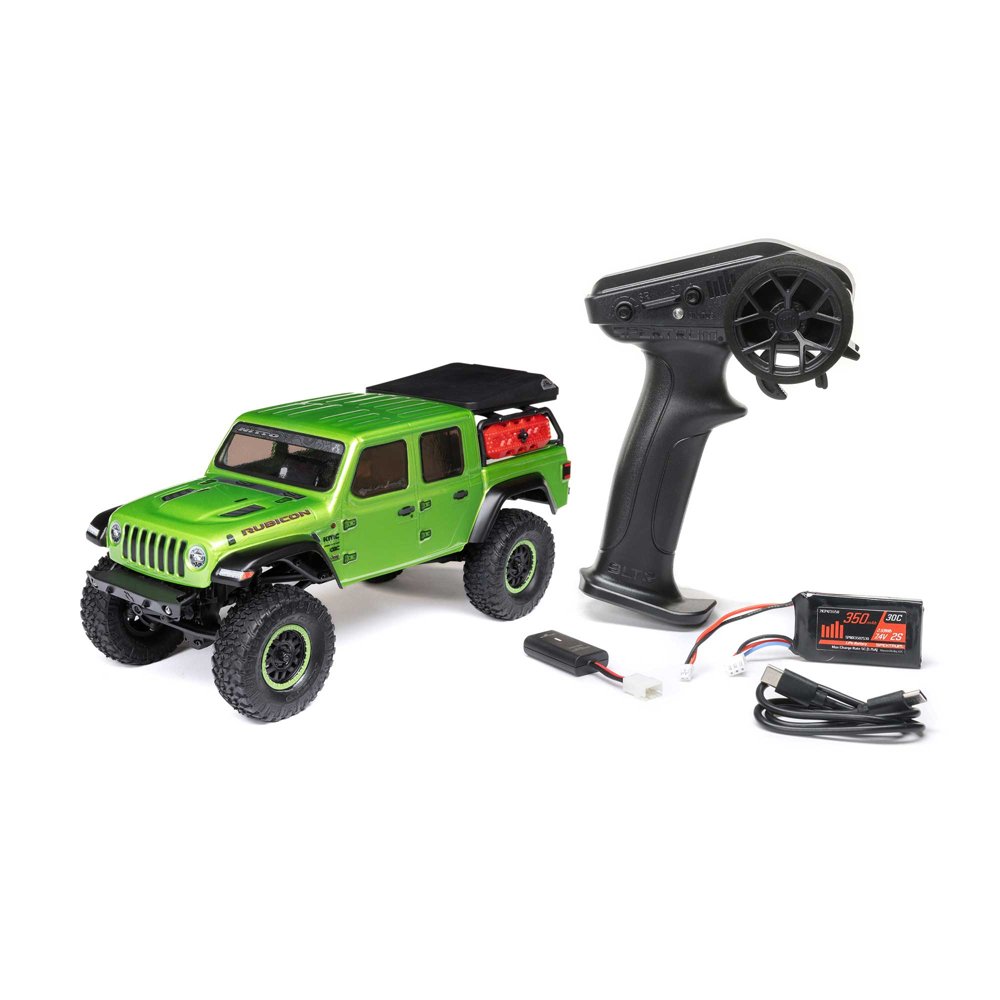
Start with scale, because scale decides where you'll drive. The 1/24 minis — the Axial SCX24 is the benchmark — run on a desk, a couch, or a pile of books indoors, and their parts are cheap, which makes them a great first truck for a kid or a small space. The 1/18 trucks split the difference: still indoor-friendly, noticeably more capable outside. The 1/10 trucks are the main event, real trail trucks with the deepest parts support in the hobby, but they need a yard, a trail, or a rock pile to earn their keep. Bigger than that — 1/8, 1/6 — is specialist territory; don't start there.
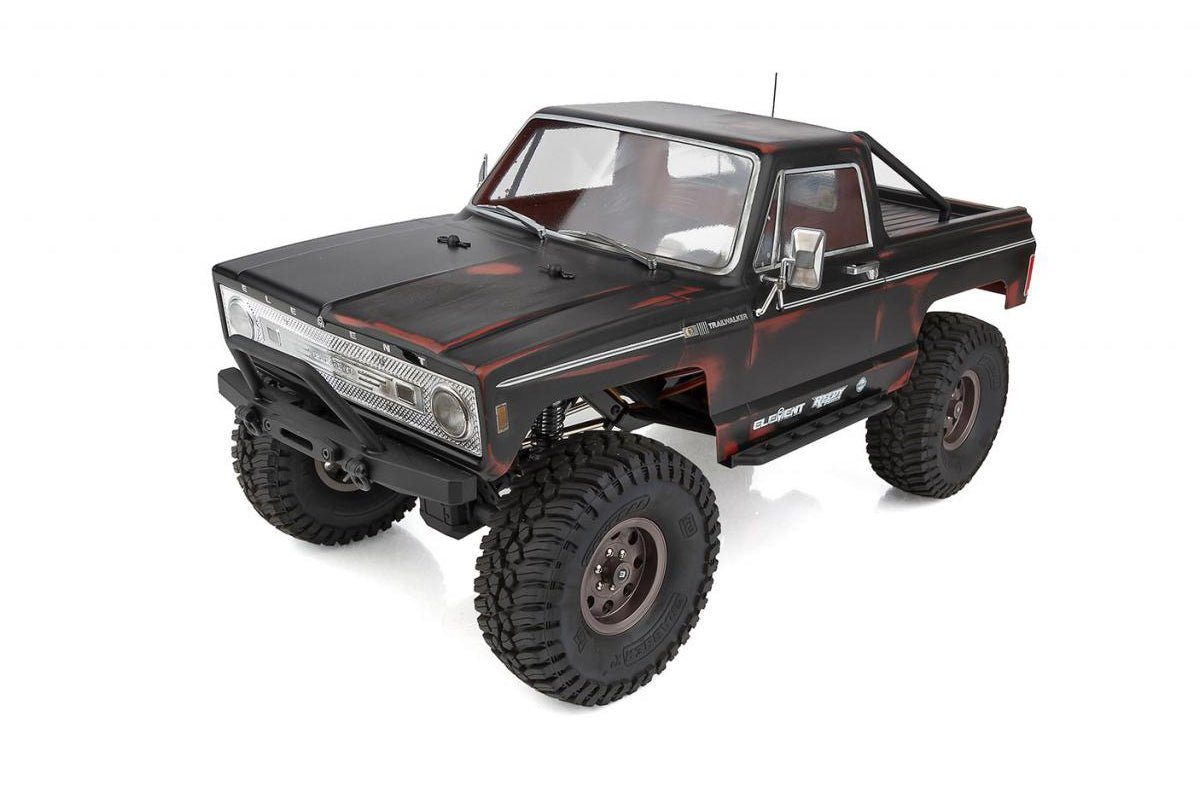
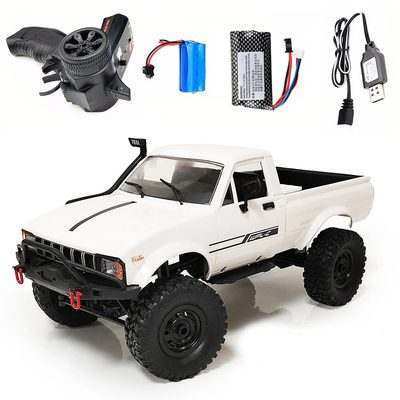
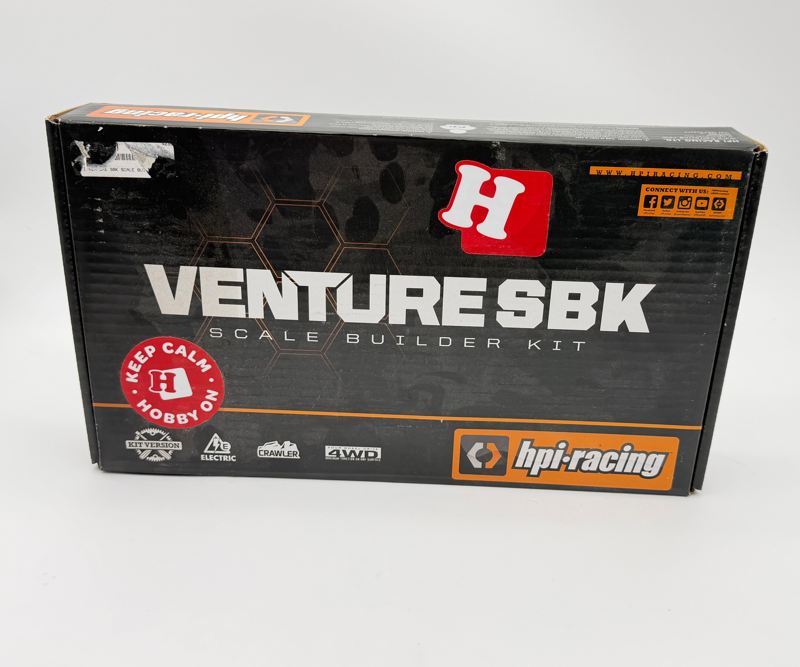
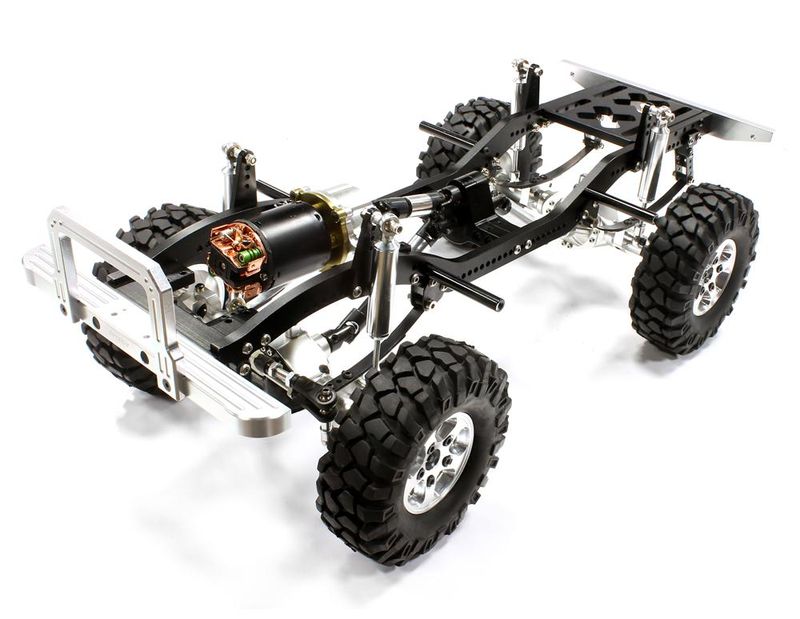
Next, ready-to-run or kit? An RTR arrives assembled with radio and electronics fitted: charge it and drive the same day, and that's the right answer for almost every beginner. A kit is the same hobby from the other direction — you build the truck yourself and choose the electronics — which is deeply satisfying and completely the wrong first purchase if you just want to drive this weekend. On budget: under about $150 buys a legitimate mini, $200–$350 is where the mainstream 1/10 RTRs live, and past $400 you're paying for portal axles, brushless power, and licensed hard bodies. And the rule that saves the most money: buy the platform with parts support, not the paint job. Every truck breaks eventually, and the one you can fix for twelve dollars is the one still running next year.
Three traps to skip along the way: toy-grade trucks with no replacement parts (the first broken part totals them), a pile of upgrades bought before you've driven the stock truck, and judging a crawler by top speed. Crawlers win at walking pace, where torque and tires matter and speed doesn't.
Why our price can differ from the store page
If a card here shows a few dollars more than the price on the store's own page, it's almost never a mistake — it's the shipping. Our prices are landed totals, item plus shipping, because that's the only honest way to compare sellers. Store pages usually headline the item price alone, and some default to the cheapest variant of a product — a different color, a smaller battery, a brushed version of a brushless truck — while our card prices the exact variant named. Prices also move after we check them, which is why every page shows the date prices were last verified, and why every card carries a report link: if you catch a store beating our number, tell us and we'll re-check it.





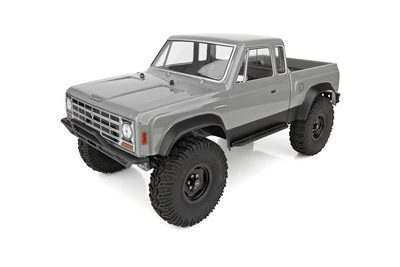
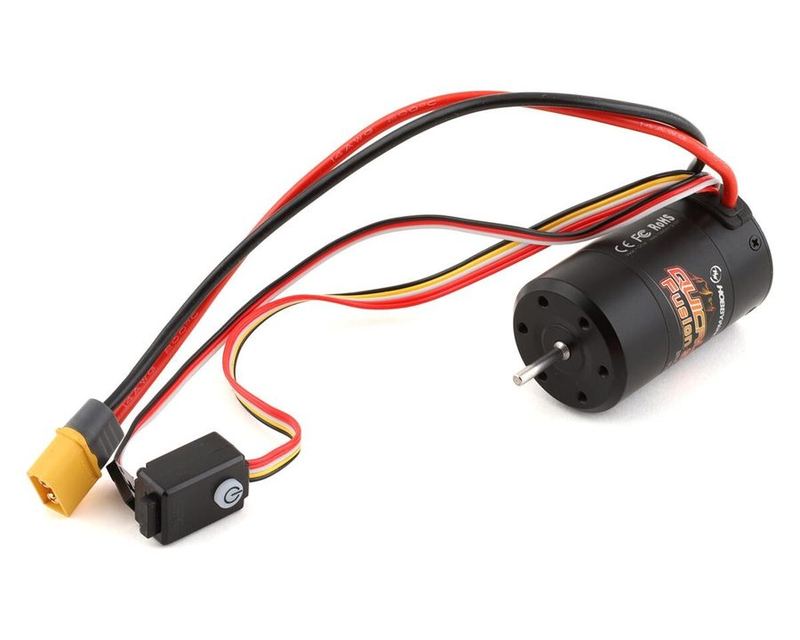
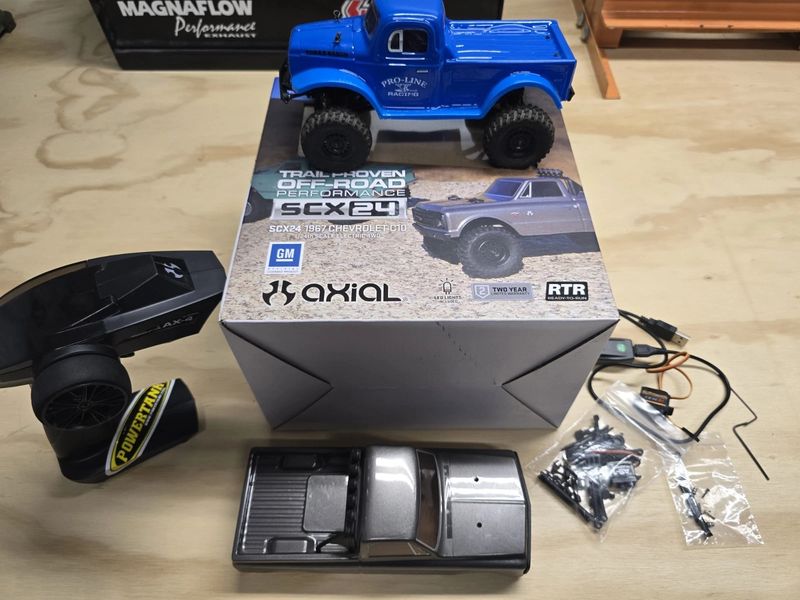
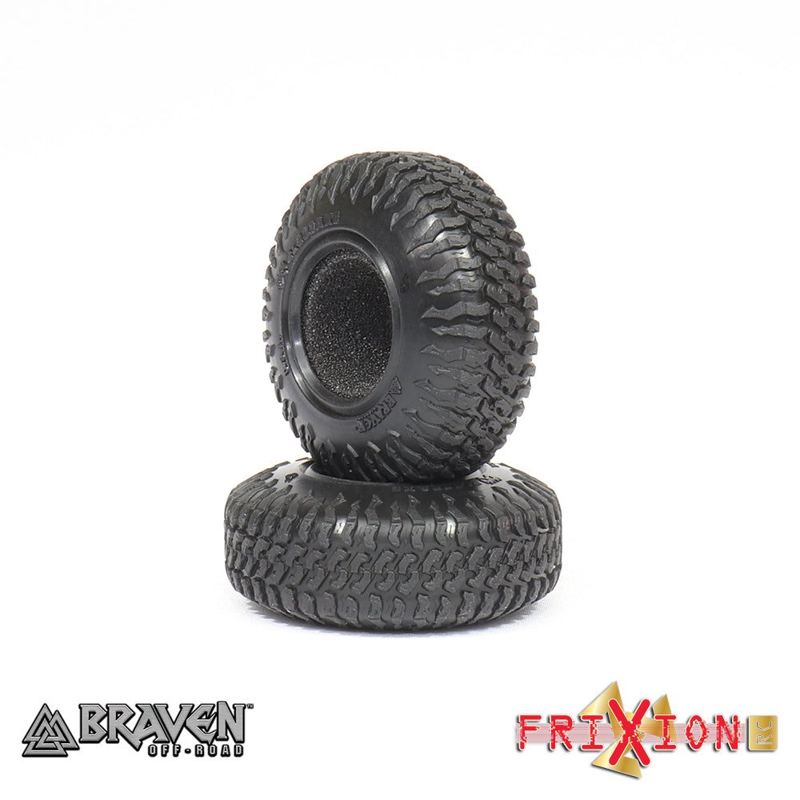
 −40%